What does a Phlebotomist do?
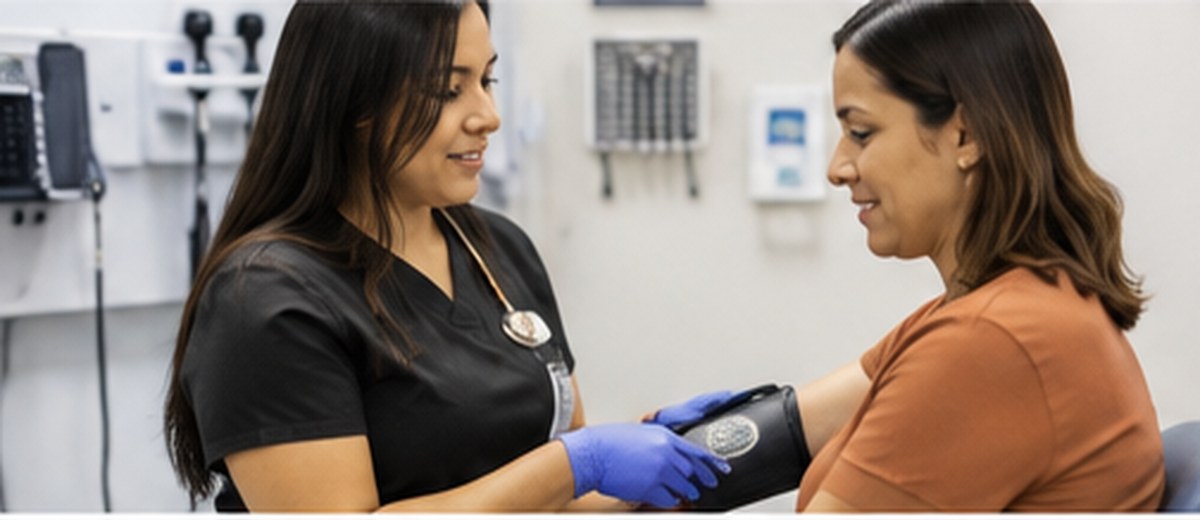
Phlebotomists collect blood specimens safely, identify patients correctly, label and handle samples, and communicate with patients who may be anxious or medically fragile. Accuracy is essential because laboratory results depend on proper collection and specimen handling.
The day-to-day experience can look different across employers and specialties, so job seekers should compare role descriptions carefully and ask how responsibilities are divided within the care team.
Education and training
Training programs often focus on venipuncture, capillary collection, infection control, specimen processing, anatomy and patient communication, with supervised practice before independent work.
Before enrolling, compare program approval or accreditation, clinical experience, total cost, schedule, completion outcomes and whether the training aligns with requirements in the state or specialty you are targeting.
Certification, registration or licensing
Certification expectations vary by employer and state. A small number of states regulate phlebotomy more directly, while many employers rely on recognized national credentials and documented competency.
Requirements can change over time. Healthsity recommends using state boards, registries and recognized credentialing organizations as the final source before paying application fees or accepting a position that depends on a specific credential.
Where you can work
Phlebotomists work in hospitals, laboratories, clinics, blood centers, physician offices and mobile collection services. Experience can support advancement into laboratory careers, medical assisting, nursing or supervisory positions.
Work setting affects pace, schedule, patient population and the mix of technical versus interpersonal skills used each day. Exploring more than one setting can help you identify the environment that fits your long-term goals.
Skills employers value
Across healthcare, employers consistently value communication, reliability, documentation, patient safety, teamwork, professionalism and the ability to adapt to changing priorities. Technical skill matters, but so does the ability to communicate clearly with patients, families and coworkers.
Career growth
Growth may come through specialty experience, additional credentials, leadership, education or transition into a related healthcare role. Build a plan around the type of work you enjoy, the credential requirements in your state and the education investment that makes sense for you.